
Online shopping scams: Avoiding “cartbreak”

The Cyber Sushi
(serving up the cold facts, with some phish bytes)
Welcome back! Here's what we are covering in this issue:
- Online shopping scams: Avoiding “cartbreak”
- Farewell Shona
- Behind the mask: The Guide to New and Trending Scams
- Ask IDCARE: ‘Is cryptocurrency safer than traditional money?’
Online shopping scams: Avoiding “cartbreak”
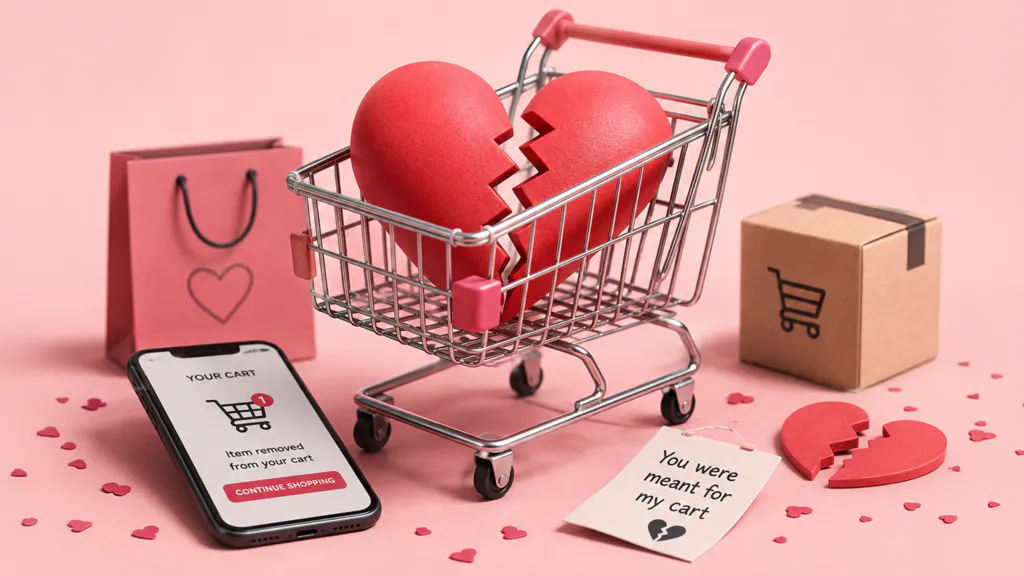
Reports to IDCARE indicate that while criminals continue to exploit everyday consumer purchases, they are increasingly targeting specialised goods and services. Recent cases show scammers using social media marketplaces, fraudulent websites, and even face-to-face interactions to convince buyers to pay for products that either never arrive or are counterfeit.
Vehicles, electronics, event tickets and trade services remain common targets, but scammers are also expanding into niche markets such as collectables, hobby items, farming equipment and other specialist products. Rural and regional Australians are vulnerable when purchasing agricultural goods, livestock or machinery.
Another growing concern is the rise of scams involving services, where offenders pose as tradespeople or contractors. In many cases, victims meet with the individual, receive what appears to be a legitimate quote and then pay deposits for work that is never completed.
As scammers become more sophisticated, consumers should take extra precautions before making purchases online:
- Research the seller before buying and check reviews from independent sources.
- Verify that the business is genuine by checking its ABN and physical address.
- Avoid paying for expensive items before inspecting them in person.
- Use secure payment methods that provide buyer protection wherever possible.
- Double check website addresses and look out for fake websites that imitate trusted brands.
- Confirm the account name matches the person or business you intend to pay, particularly when using bank transfer or PayID.
- Be cautious if a seller pressures you to act quickly or requests unusual payment methods.
- If something doesn't feel right, stop, check and verify before making a payment.
Taking a few moments to verify a seller, inspect a product and use secure payment methods can help people protect their money and ensure they get what they paid for.
Farewell Shona
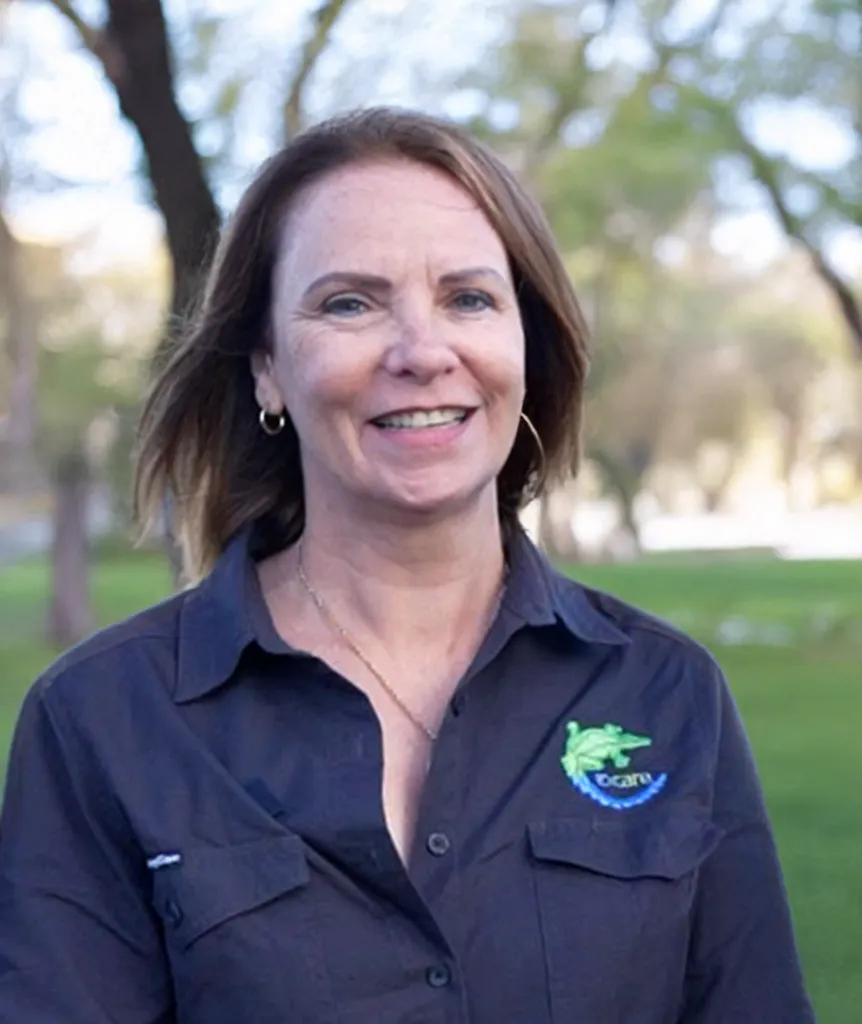
We’re sad to announce that Shona, our Community Education Coordinator, has left IDCARE. Over the past four years, Shona has made an outstanding contribution to the organisation through her passion and dedication. She has led our Outreach program and our CROC work, making a direct and lasting impact on communities through her efforts to raise awareness and educate Australians about how they can protect themselves against scams and cyber threats.
Shona has left us with this message to provide to you all:
“It has been an interesting four years at IDCARE – joining as the Education Officer and leaving as the Community Engagement Coordinator.
If someone had told me 10 years ago that I'd be working at IDCARE, travelling around Australia and talking to communities about scams and cyber awareness, I would have laughed. I started my career in hospitality, spending 10 years in the industry and completing a degree in Hospitality Management. I then moved into education and loved my time in the Northern Territory, working in roles from classroom teacher through to principal.
When I moved to the Sunshine Coast, I was looking for something meaningful to do before retiring, and that's when I found IDCARE.
I've really enjoyed my time here – the travel, meeting people in communities across Australia, and working with such a talented and passionate team. Thank you to the many communities that welcomed me so warmly, and to everyone who helped make community engagement possible. I'd especially like to thank Veronica Larson, CEO of Neighbourhood Watch NT, and Leanne Swan from the City of Gold Coast for their support over the years.
I'm leaving with some wonderful memories and wish everyone at IDCARE all the very best for the future."

Behind the mask: The Guide to New and Trending Scams
New cryptocurrency scam arrives by mail
IDCARE has received reports from people targeted by a new scam involving fake letters sent in the name of cryptocurrency hardware wallet provider Ledger.
The scam is believed to be linked to personal information exposed in previous Ledger data breaches, which may be helping criminals identify potential victims. While Ledger has warned users about mail scams before, July 2026 is the first time IDCARE has received reports of this scam in Australia, suggesting it may be a growing threat.
Why are Ledger users being targeted?
Ledger suffered a major customer data breach in 2020 when attackers gained access to its e-commerce and marketing database. More recently in January 2026, another event targeting a third-party provider used by Ledger was disclosed. The events exposed contact information for more than one million customers, including email addresses. For hundreds of thousands of customers, additional details such as names, phone numbers and home addresses were also leaked. Ledger's wallets and customers' cryptocurrency holdings were not compromised.
How the scam works
People receive a letter claiming their Ledger wallet needs an urgent security update. The letter includes a QR code that directs them to a fake website that closely resembles Ledger's official site.
The website then asks users to enter their wallet's Secret Recovery Phrase (sometimes called a recovery seed phrase) to complete the update.
What happens next?
Clients reported that after entering their recovery seed phrase, criminals gained access to their wallets and stole their cryptocurrency. In some cases, funds were transferred out within minutes.
Protect yourself
- Never share your Secret Recovery Phrase with anyone.
- Be suspicious of letters, emails, texts or phone calls claiming urgent action is needed on your cryptocurrency wallet.
- Do not scan QR codes or click links from unexpected communications.
- Ledger will never ask you for the 24 words of your Secret Recovery Phrase,
- Always verify security alerts through the official Ledger website or app.
- If you think you have been targeted by this scam, seek support as soon as possible and report the incident to IDCARE.
Ask IDCARE: ‘Is cryptocurrency safer than traditional money?’
Have a Scam, Identity, or Cyber-Related Question? Ask IDCARE!
Every day, IDCARE supports people affected by scams, identity theft, and cybercrime. Our team draws on extensive real-world experience and deep insight into the online criminal environment to help individuals understand risks and take action.
In this edition of Cyber Sushi, we’re inviting you to submit your question - and the IDCARE team will answer it. Send your questions to [email protected].
Our question today comes from Kevin
Hi IDCARE,
I often hear people say that cryptocurrency is actually safer than traditional money because every transaction can be tracked on the blockchain. If everything is visible, doesn't that make it harder for criminals to get away with scams when they use cryptocurrency?
Answer:
Dear Kevin,
This is a common misconception - and while it is true that analysis of transactions through the blockchain have assisted in law enforcement investigations where large networks of cybercriminals have been tracked down (for example, ransomware gangs and other cybercriminal groups), it is usually combined with other evidence (often referred to as 'Off-chain evidence').
You are right when you say that cryptocurrency transactions are permanently recorded on a blockchain and can easily be traced from one wallet to another. However, knowing where funds move is very different from knowing who controls those wallets.
This is because criminals use stolen identities, fake accounts, and money mule networks to open exchange accounts and cash out stolen funds. They may move cryptocurrency through dozens of wallets, exchanges, and mules across multiple countries, making it extremely difficult to identify the individuals behind the transactions.
For scams, we often see victims being coached to setup cryptocurrency accounts with their real identities, which the criminals are then provided access to. They can then use these accounts to move money from other scam victims, obfuscating the real person conducting the fraud. Then, these stolen funds can be moved through laundering networks and converted back into cash or other assets making it even more difficult to identify and recover these ill-gotten gains.
In short, blockchain technology may make transactions more transparent than cash, but transparency should not be confused with accountability. Being able to see where money went is valuable, but proving who controlled the wallets, locating the offenders, and recovering stolen or laundered funds is often a much more difficult challenge.
Kind regards,
The Cyber Sushi Team
Join the global list of organisations making a real difference in people’s lives by supporting our service.





















































Copyright © 2025, IDCARE. All Rights Reserved.
ABN 84 164 038 966